About Artemis
Four students, one weekend, one goal: a blind developer builds and runs real software by voice and keyboard, with no sighted help.
- 4
- people, each owning their own parts
- 6
- parts, from voice to runner
- 49
- pull requests merged by 8 AM Saturday
Why we built it
Coding tools are built around the screen. You scan a diff, click a button, spot the red line in a terminal. A screen reader can read those things aloud, but the tools were never designed to be heard, so blind developers end up working around them or asking someone to look.
Artemis starts from the other side. Speech and the screen reader are the main interface, not an add-on. A developer should be able to open a project, ask for a change, review it, run it and find out what went wrong, without looking at the screen.
What we hold to
- You decide every change
- Nothing in your project is written or run without your approval. An approval covers the exact edit or run you reviewed, and a spoken "yes" never counts, so a misheard word can't change your code.
- Every result is real
- Programs really run, and you hear what they actually printed. Echo Check reads the page's real accessibility tree instead of guessing what the screen shows.
- Errors are never softened
- When a run fails, you hear the exit code and the final error line, word for word, before any explanation.
- Your screen reader comes first
- Artemis works beside Orca, never against it: it speaks in its own voice, stops only its own speech, and every control works from the keyboard.
The team

David Ribeiro
Team lead. Built the Claude coding agent and the safety gate: paths stay inside your project, approvals bind to the exact change, and a security scan blocks risky code.

Avery
Built the core that tracks every task and approval, the runner that executes approved programs, Echo Check and the launcher. Reviews every pull request.

Jun Olea
Built the desktop: the island at the top of the screen, the droplet that shows where Artemis is working, and approval dialogs that take focus so your screen reader lands on them.
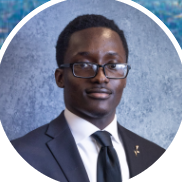
Yaovi Agblami
Built the voice: speech recognition that stays on your computer, the “Hey Artemis” wake word, listening tones, and Artemis’s own voice through ElevenLabs, with an offline voice as backup. Built this site. Presenter.
How it came together
- First commitThe repository opens. Within an hour the team agrees on the stack, the folder owners and a shared board for every coding agent.
- The first pieces landA keyboard-first app skeleton, spoken announcements with listening tones, and a first version of the coding agent.
- The core comes onlineThe first version of the service that joins every part goes in. This site goes up minutes later.
- Echo CheckArtemis can open a web page and report its real accessibility problems, most serious first.
- Real agent, real scanClaude starts planning real changes, and every proposed Python file is scanned for security problems before it can run.
- Push-to-talkHold a shortcut from any app to speak a request (today it is Ctrl+Shift+Space). A blocked approval now opens with Reject focused.
- Security scan on requestAsk Artemis to scan a whole project, and the scan can't be quietly switched off.
Open source
All of Artemis, including this site, is on GitHub.